U.S. Event Photo Rights: Copyright Ownership Does Not Grant Ad Rights
SnapPix TeamPublished 12 Oct 202632 min read

The photographer who presses the shutter generally owns the copyright in that photo the moment it’s captured, and that’s a separate question from whether anyone has permission to use a recognisable person’s face in an advert. Organisers need a licence or written agreement to claim broader use. Venue rules, permits and sponsor agreements add further limits on top.
TL;DR:
- Paying a freelance photographer does not transfer copyright; specify assignment or license, media, territory, duration, exclusivity, and portfolio rights in a signed contract.
- Ticket terms and entrance signs may cover routine event coverage, but recognizable faces in sponsor campaigns or paid ads generally need a tailored written release.
- Check permit requirements separately from venue contracts, and review credential terms for image handovers, publication approval, access limits, or embargoes before shooting.
- When sponsors use event photos as endorsements, FTC guidance calls for clear disclosure on the image or first caption line, repeated on every platform.
- U.S. registration is not required for ownership, but usually precedes federal infringement suits; one group application can cover up to 750 qualifying photos yearly.
Copyright attaches automatically the instant an original photograph is fixed, whether that’s on a memory card or a phone. The person who presses the shutter is generally treated as the author and the first copyright owner, according to U.S. Copyright Office guidance. Paying someone to shoot your event doesn’t change that by itself. Payment and delivery of files are not proof of ownership transfer; you need a signed agreement to move copyright from photographer to organiser.
There’s a narrow exception called “work made for hire.” It applies when the photographer is a genuine employee shooting within the scope of their job, or when the work fits one of a short list of commissioned categories and both parties sign a written agreement saying so, as set out in Circular 30. Freelance event photographers almost never fall into this category automatically, so the written agreement does the real work.
When you’re drafting or reviewing a contract, a few clauses matter more than the others:
Vague wording like “use for promotion” invites disputes later, so spell out exactly what that covers.
Copyright and publicity rights are two different things, and mixing them up causes most of the disputes we see. Owning the copyright in a photo doesn’t automatically give anyone the right to put a recognisable attendee’s face in an advert or sponsor campaign. Publicity and privacy rights belong to the person photographed, not the photographer, and state law varies on how they apply, including a newsworthiness exception recognised in New York case law.
Ticket terms and clear signage at the entrance go a long way towards covering editorial and promotional use, but they don’t always stand in for a tailored release, especially for minors, employees or anyone in a sensitive role. Here’s a practical sequence for capturing consent without slowing down your door:
The more commercial the intended use, the more specific the consent needs to be.
Where you’re shooting matters as much as who’s doing the shooting. Many municipal parks and public properties require a commercial photography permit before anyone can shoot for paid or promotional purposes on site, and fees, insurance requirements and approval timelines differ from one parks agency to the next. Treat this as a separate checklist item from your photographer contract, because missing a permit can stop a shoot entirely on the day.
Private venues have their own latitude. A hotel ballroom, a stadium or a members’ club can set rules well beyond anything a public park would require:
If you’re working with press or vendor credentials, read the fine print before you shoot. Credential agreements sometimes require you to hand over images to the venue, or carry an embargo before you can publish anything. Confirm those obligations in advance so nobody’s surprised afterwards.
A licence that lets an organiser use event photos for its own marketing doesn’t automatically extend to sponsors using attendee likenesses in their advertising. Sponsor use sits on top of two separate layers: the attendee’s publicity rights and the photographer’s copyright licence, and both need to be addressed before a sponsor builds a campaign around event images.
When a sponsor does use event content as part of an endorsement, disclosure rules kick in. The FTC’s endorsement guidance requires a clear, conspicuous disclosure whenever a material connection exists between the person featured and the brand, and that disclosure needs to sit with the image itself so viewers see it without hunting for it.
A generic “photos by…” credit line is not an endorsement disclosure under FTC guidance. That distinction catches organisers out when a sponsor’s team repurposes event photography for paid social without adding a proper disclosure.
Practical placement that tends to satisfy this guidance:
Some event contracts ask the photographer to sign away far more than the booking requires. A fact sheet on event photography agreements documents common overreach: unlimited sublicensing rights for sponsors, a blanket assignment of copyright, restrictions on the photographer ever showing the work again, and a requirement to hand over high-resolution files for free as part of the booking fee.
Photographers negotiating these terms should prioritise a few things:
Organisers have their own list. Spell out exactly what “promotional use” covers, including which platforms and how long the licence lasts, add a clear process for takedown requests, and agree attribution terms up front so nobody argues about photo credits after the event.
Pro Tip: Put the licence scope in writing before the event, not in the email thread after the invoice arrives.
Registration with the U.S. Copyright Office isn’t required to own copyright, but it creates a public record and is generally required before a U.S. work can be the subject of most federal infringement suits, and it opens the door to statutory damages and attorney’s fees in many cases. For event photographers shooting hundreds of images a year, that record matters more than it might seem at first.
A few steps make the process manageable rather than overwhelming:
A short checklist keeps rights questions from becoming last-minute scrambles. Handle the big decisions before anyone picks up a camera, keep things visible on the day, and close out the paperwork once the event ends.
| Stage | Key task | Who owns it |
|---|---|---|
| Before | Confirm licence terms in the contract | Organiser and photographer |
| Before | File commercial photo permits where required | Organiser |
| During | Staff signage and opt-out stations | Organiser |
| After | Register copyright for qualifying work | Photographer |
| After | Track sponsor usage for FTC disclosure | Organiser |
Guest photos complicate the picture because the organiser’s contract with the professional photographer says nothing about a guest’s phone footage. Each guest holds their own copyright in whatever they shoot, so collecting and republishing those images needs its own permission trail.
A workable approach starts with clear terms at the point of upload. When guests submit photos through a gallery, a QR code or a shared album, a short line stating how the images might be used covers the basics: internal event recap, social reposting, or inclusion in a highlight reel. Keep that language visible before the guest uploads, not buried in a settings page nobody reads.
Treat guest-uploaded images separately from professional ones in your records. Note the source, the date and whatever consent language applied at the time, since that record is what you’d point to if a guest later objects to how their photo was used. For anything destined for paid advertising rather than a simple recap, go back to that guest directly rather than relying on the general upload terms.
Guest content also tends to arrive in bulk and without much metadata, so build a review step before publishing anything externally, particularly where children or non-attendees might appear in the background.
Telling people photography is happening does more than reduce legal risk: it sets expectations so nobody’s caught off guard mid-event. The clearest notice happens in layers rather than one single disclaimer.
Start before the event, in the ticket or registration flow, with plain language stating that photography and filming will take place and roughly how the images might be used. Repeat that notice at the entrance with visible signage, since not everyone reads registration terms closely. For events with a defined guest list, such as corporate gatherings or school functions, a short email ahead of time gives people a chance to raise concerns privately rather than at the door.
Give attendees a real way to opt out, not just a statement that they’re being photographed. A staffed table near the entrance, a wristband system or a simple sign-up sheet all work, provided someone’s actually watching for it on the day. Document who opted out and share that list with anyone editing or publishing photos afterwards, so an opt-out doesn’t get missed in a large batch of images.
Once event photos go up on social media, the rights questions don’t disappear, they multiply. A platform’s terms of service typically grant that platform a licence to display and distribute what’s posted, but that licence runs alongside the underlying copyright and consent questions, not instead of them.
Reposting by attendees, sponsors or the venue itself can outpace whatever permissions were actually agreed. A guest who tags themselves and shares a photo has made their own publishing choice, but an organiser or sponsor repurposing that same image for an advert is a different use requiring its own permission. Keep an eye on where sponsor-tagged content ends up, since a single photo can travel from an event gallery to a paid ad campaign without anyone checking whether the original consent covered that.
Enforcement online follows the same path as enforcement anywhere else: document the unauthorised use, send a takedown request through the platform where one’s available, and keep your original files and licence paperwork ready in case the dispute escalates. Treating a social repost casually, just because it’s “only online,” is how small permission gaps turn into real disputes.
Most disputes we see don’t come from bad intentions, they come from nobody writing anything down. A photographer who keeps portfolio rights and an organiser who gets clear promotional terms both walk away satisfied, and that only happens when the licence is specific before the event, not negotiated after a sponsor wants to use a photo. Document early, say the terms plainly to guests and sponsors, and most rights questions solve themselves before they start.
— Liam
If you’re an organiser juggling a professional contract, guest uploads and sponsor requests all at once, keeping track of who shot what and who agreed to what gets complicated fast. There are platforms that take the collection side off your plate: guests scan a QR code and upload straight from their phone’s camera roll or browser, with no app to download, and the gallery can stay open for a period after the event so latecomers can still add their photos.
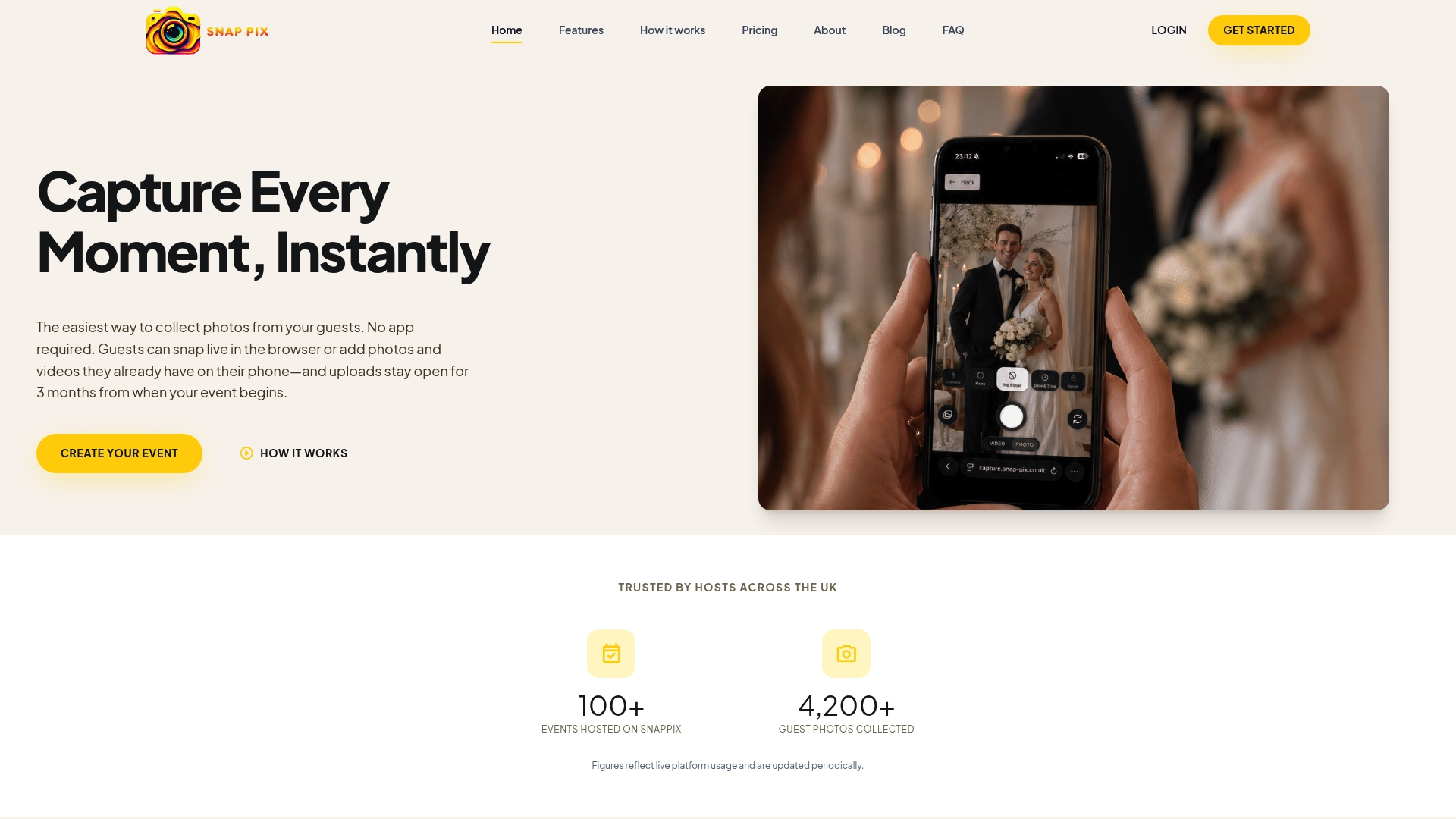
Some features can make the collection side easier to manage alongside your rights paperwork, such as smart albums that sort guest uploads automatically to help find images more easily, photo challenges that encourage guests to contribute more, and password-protected galleries that keep access limited to invited viewers, as showcased in local photography and event creative services in New York.
Centralising uploads through a tool like our features page makes the collection side simpler, but it doesn’t replace a tailored written release for sponsor or advertising use. That part still needs its own agreement. For events where a photographer is also contributing professional shots alongside guest uploads, pairing that workflow with clear employee consent capture covers both sources properly. Full Event Access runs as a one-off fee per event, with a Free plan available for smaller gatherings, both listed on our pricing page.

There’s no single official “7 rules” standard in U.S. copyright or event law; the phrase usually refers to compositional guidelines rather than legal ones. For event photography specifically, the rules that actually matter are contractual: ownership, licence scope, consent and venue permissions, as covered throughout this guide.
It depends on the venue’s own rules rather than a single national law. Many concert venues restrict professional cameras or require press credentials, while private venues can set stricter terms than public spaces, so check the ticket terms and any signage at entry before assuming personal photography is allowed.
Whether you can compel delivery depends entirely on what the contract says about deliverables and timing, not on copyright ownership itself. If the agreement promises specific files by a specific date and the photographer doesn’t deliver, that’s a contract dispute, separate from who owns the copyright in the images.
Not always, but it depends on how the images will be used. Editorial or recap use often relies on signage and ticket language, while advertising or sponsor use involving a recognisable attendee typically calls for a specific written release, since publicity rights vary by state, as illustrated in New York case law.

Collect event photos without app downloads: guests scan a QR code, upload through a browser, and get setup, privacy, and troubleshooting advice.

Set up event photo uploads before guests arrive with a no app QR gallery, guest prompts, and host moderation. Uploads resume when venue signal returns.

Set up a no app, no account shared gallery hosts can test quickly. Practical host checklist, COPPA privacy notes, upload prompts, and backup steps to...